
A real-world example of systemic project analysis and navigating complex transformations
A sound intention and a well-founded intervention do not automatically lead to the intended impact. Between intent and impact, there is no empty space simply waiting for implementation.
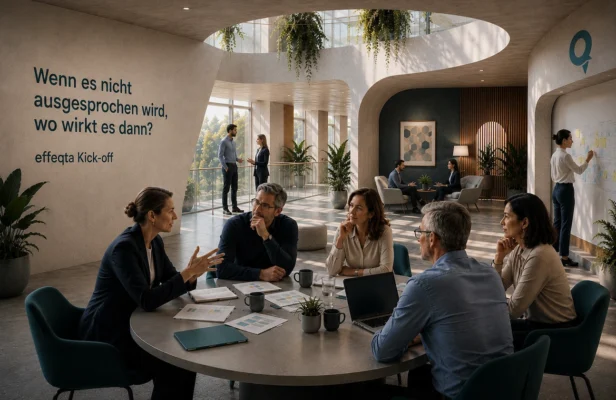
There is an organization in between – with different perspectives, functions, capabilities and realities. And that is where transformation begins.
A sound intention
An external analysis found that different areas of a project were using differently structured Work Breakdown Structures (WBS), making project-wide consolidation more difficult.
The resulting intervention was reasonable: harmonize the structures.
A common structure was intended to improve comparability, transparency and an integrated view across the project. But those same structures served another purpose.
Two perspectives on the same structure
For operational scheduling, the existing WBS had long been more than a formal way of organizing information. Working practices, routines, reporting views and control mechanisms had developed around them.
The WBS was not just a structure. It had become part of the project teams’ ability to work effectively.
This brought two valid perspectives together. From the overall project perspective, information needed to be consolidated and integrated. From the operational perspective, it needed to represent the specific project reality in a differentiated and workable way. Harmonization translated primarily the first perspective into a common structure.
At the same time, the project continued. Schedules still had to be updated, changes processed and decisions supported while part of the control system itself was being redesigned. Capacity was absorbed and established ways of working changed. The intervention was already having an impact while it was still being implemented.
The organization responded
Following the change, the teams used additional coding and reporting views to recreate some of the perspectives and functions they still needed for their day-to-day work.
The structure had changed. The need behind it had not.
The organization’s response revealed a function that had barely been visible in the original problem definition. The differences between the structures had not only been an obstacle to consolidation. They had also supported operational project control.
Integration without complete standardization
An operational WBS does not necessarily have to be identical to the central project WBS. They can serve different control purposes and still be connected.
Project-wide consolidation can, for example, be achieved through shared metadata, clear mappings, mapping rules and technical interfaces.
Difference does not have to be eliminated completely for integration to work. Integration can also emerge by connecting different perspectives and structures in a reliable way.
Transformation happens in between
Every intervention carries a particular view of the problem. Once it enters an organization, it encounters other perspectives, capabilities, relationships and ways of working. These realities meet between intent and impact.
What emerges is therefore not determined by the intervention alone. The organization responds, preserves functions it still needs, develops new patterns and influences what happens next.
An intervention changes the organization. The organization changes the intervention. Transformation happens in between. That is the space we are interested in at effeqta.
Transformation needs navigation
What an intervention sets in motion becomes visible as the organization continues to evolve. Assumptions may prove valid, impacts may unfold differently than expected, and new patterns may emerge.
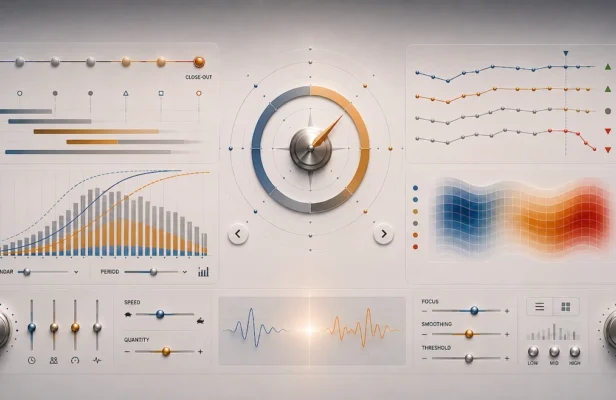
For us at effeqta, this raises a practical question: how do we keep this development visible and understandable? Beyond the target state and the implementation itself, we need orientation: where is the organization now? What is actually changing? What impacts are emerging? And what does this mean for the next decision?
This is where navigation comes in. It makes the movement between intent and impact visible, helps interpret developments as they unfold, and supports decisions based on what is actually happening.
Transformation is therefore not reduced to executing a plan. Its development remains observable and can evolve in response to what emerges along the way. If transformation happens in between, we need to be able to navigate that space.
Your project is changing, but the impact remains unclear?
Through systemic project analysis and navigation, we help make the dynamics between intent and impact visible, identify emerging developments early, and turn those insights into well-founded decisions.